







The 2026 memory shortage is not a routine supply disruption. It is a market redesign in which DRAM and NAND capacity is being pulled toward AI systems, because high-bandwidth memory for accelerators pays far better than standard memory for phones, PCs, and other consumer devices.
HBM is crowding out standard memory
Samsung, SK Hynix, and Micron control more than 95% of global DRAM output, and all three have shifted meaningful capacity toward HBM, the stacked memory used alongside AI accelerators. That matters because HBM generates roughly 3 to 5 times more wafer revenue than standard DDR5 DRAM, so the shortage is being reinforced by economics, not just by temporary bottlenecks.
The demand profile has changed just as sharply. IDC expects data centers to consume about 70% of all memory chips produced in 2026, up from roughly 20% to 30% in 2022. When that much supply is absorbed by AI infrastructure, consumer electronics are no longer competing in the same market conditions they operated under a few years ago.
Why AI hardware consumes so much more memory
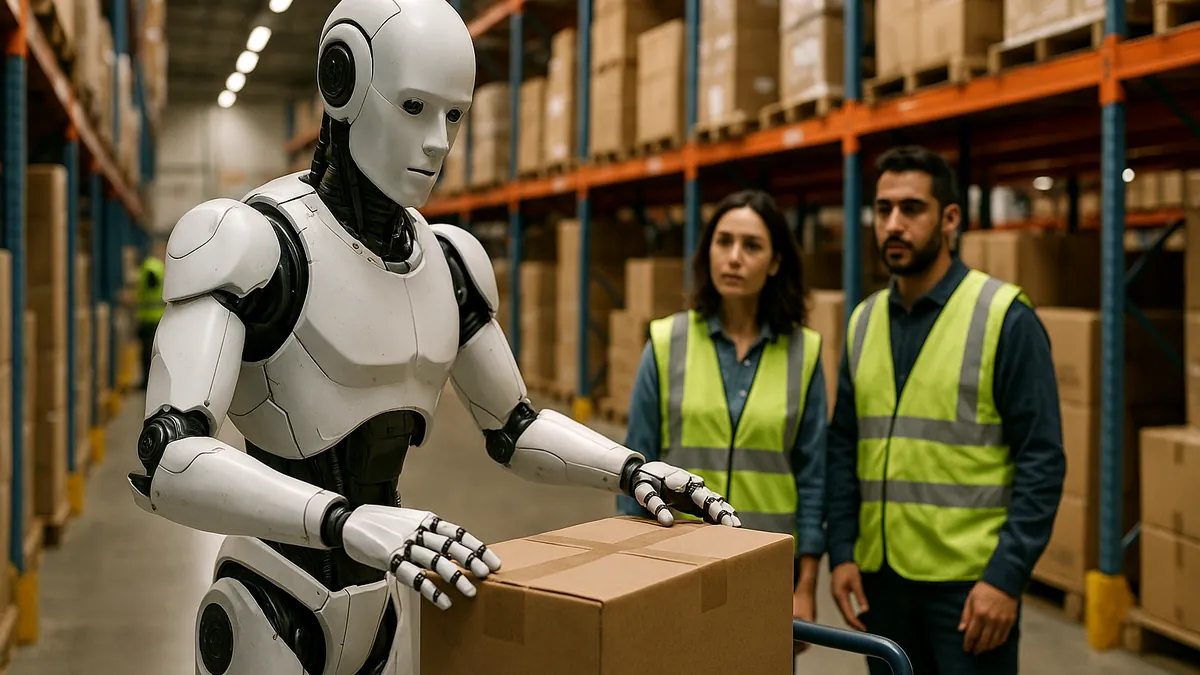
The problem is not simply that AI companies are buying more chips. AI accelerators use memory in a much more wafer-intensive way than consumer products, especially when GPUs require multiple HBM stacks and each stack contains many DRAM dies.

NVIDIA’s latest systems show the scale difference. A B300-class GPU platform can require several HBM packages per GPU, and a full DGX B300 system with eight GPUs consumes hundreds of DRAM dies just for HBM modules. That is a very different draw on manufacturing capacity than the memory content of a budget phone or a mainstream laptop, which is why AI demand can overwhelm standard supply even before total unit shipments look extreme.
Why more output is not arriving fast enough
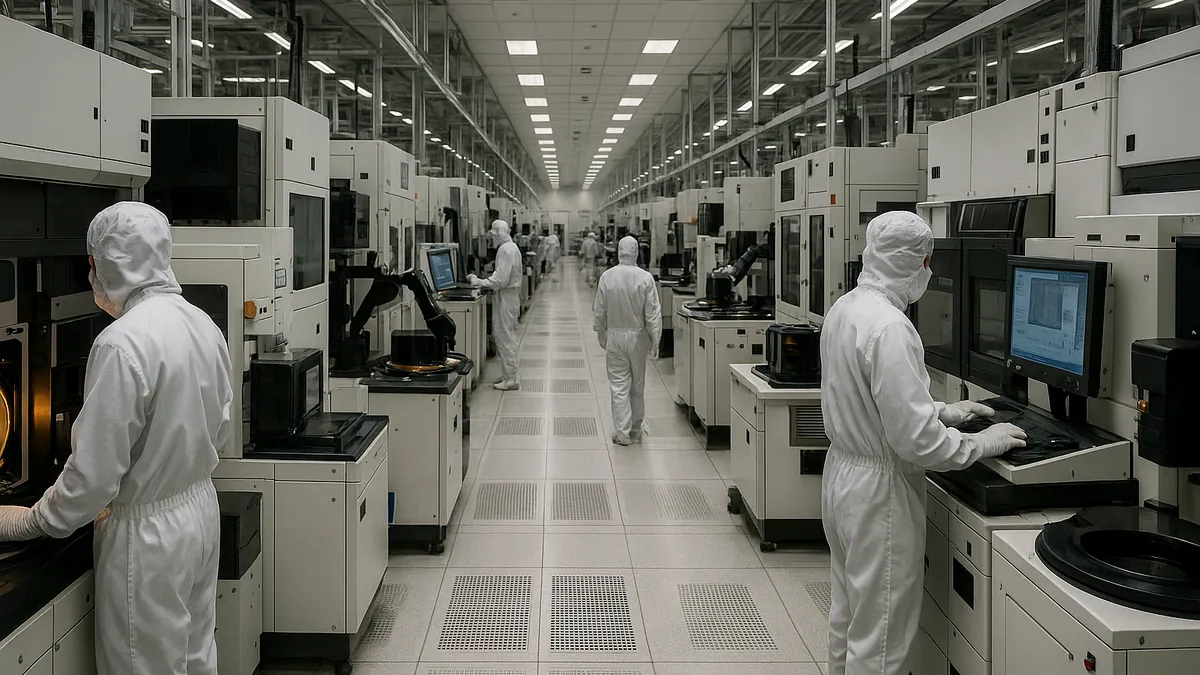
The supply side is constrained by decisions made during the 2022-2023 downturn, when memory makers cut spending and output after a severe correction. Samsung at one point cut production by 50%, and the industry cannot reverse that kind of retrenchment quickly because new fabs and process ramps take years, not quarters.
That timing gap is visible in the forecasts. DRAM supply growth in 2026 is projected at 16% year over year, below the historical 20% to 30% range, while NAND growth is similarly limited at 17%. Micron and SK Hynix are expanding, but their new capacity is not expected to reach volume production until 2027, which means the shortage extends beyond a single buying cycle.
| Signal | Temporary disruption | 2026 memory market reality |
|---|---|---|
| Main cause | Short-lived manufacturing or logistics issue | Capacity reallocation toward HBM for AI accelerators |
| Pricing driver | Brief imbalance, then normalization | HBM earns 3 to 5 times more revenue per wafer than DDR5 |
| Demand concentration | Spread across end markets | Data centers take about 70% of global memory output in 2026 |
| Supply response | Output rises within months | New Micron and SK Hynix capacity does not reach scale until 2027 |
| Who gets squeezed | Broad but temporary inconvenience | Consumer electronics, especially low-margin devices |
Who loses first when hyperscalers lock in supply
Meta, Google, Microsoft, and Amazon have been securing long-term contracts at premium prices, effectively reserving a large share of available memory for AI data centers. That gives the biggest cloud buyers a buffer against shortages while handset makers, PC vendors, and smaller hardware companies are left bidding for a smaller pool of standard DRAM and NAND.
The effects are already uneven. IDC forecasts smartphone shipments to fall 12.9% in 2026, with sub-$200 phones facing the heaviest pressure because they have the least room to absorb memory cost increases. PCs and tablets are also expected to decline, and manufacturers including Dell and HP are cutting lower-end lines and leaning more heavily on premium devices where margin damage is easier to manage.
The NAND side is not insulated either. Some manufacturers have shifted lines toward DRAM, which further tightens supply for storage products such as smartphone flash and laptop SSDs. Automotive and networking customers are affected too, but the sharper disruption lands in consumer categories where volumes are high and pricing power is weak.
The 2027 checkpoint is capacity, but also discipline
The next real test is not whether prices cool for a quarter, but whether 2027 fab additions can materially change allocation. New capacity from Micron and SK Hynix may ease the shortage, yet that only matters if AI demand growth slows enough for standard DRAM and NAND to recover meaningful share rather than being immediately absorbed by another accelerator cycle.
For device makers, the practical reading is straightforward: plan on memory staying expensive and harder to secure than in prior cycles, especially for low-cost products. For policymakers and infrastructure planners, the more important point is that AI deployment now affects a foundational component market in ways that spill into consumer hardware availability, pricing, and product mix, which is a different kind of constraint than a normal semiconductor rebound would create.