





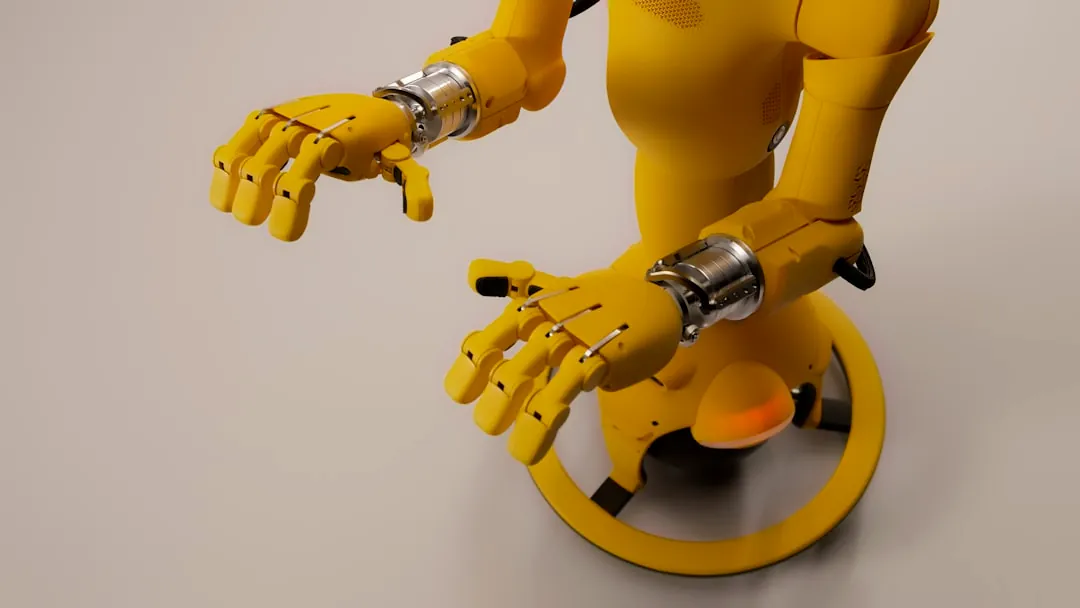
Recent innovations in robotic hands, powered by artificial muscles and tendons, are radically transforming the landscape of humanoid robotics. This leap forward enhances dexterity and functionality, opening the door to more nuanced human-robot interactions, particularly in areas demanding fine motor skills like prosthetics and robotic assistance. Understanding these advancements is crucial as they may redefine our interactions with machines.
Understanding Artificial Muscles in Robotics
At the core of these advancements is the integration of artificial muscles, which mimic the contraction and relaxation of biological muscles through hydraulic or pneumatic systems. Synthetic Myofiber muscles enable robotic hands to achieve an impressive range of motion, boasting up to 27 degrees of freedom. This allows for complex gestures and grips that are crucial for handling everyday objects.
Moreover, the application of neural networks to train these robotic hands on human movements further enhances their responsiveness. This technology makes interactions feel more natural and intuitive, bridging the gap between human and robotic capabilities.
Challenges in Real-World Applications
Despite the promising technology, significant hurdles remain before it can be fully realized in everyday applications. One major limitation is the biohybrid hand’s dependence on a liquid medium for muscle operation, complicating its use in dry environments. This reality necessitates the development of artificial nutrient delivery systems to keep the tissue viable.
Furthermore, the fatigue experienced by these biohybrid hands after extended use mirrors human muscle fatigue. This raises concerns about their durability and reliability in demanding scenarios, which must be addressed for broader adoption.
Misconceptions About Artificial Muscles
Many people mistakenly believe that artificial muscles are inherently weaker than traditional actuators. This oversimplification overlooks the strides made in materials science, which has shown that synthetic muscles can generate impressive force. Technologies like Clone Robotics’ Myofiber can produce grip forces comparable to human strength, challenging the notion that artificial muscles lack power.
This misconception may hinder the acceptance and integration of these technologies into various applications. Addressing these misunderstandings is crucial for fostering a more informed perspective on the capabilities of robotic hands.
Future Implications for Healthcare and Robotics
The broader implications of these advancements are profound. As robotic hands equipped with artificial muscles become more commonplace, we may witness a surge in collaboration between robotics companies and healthcare providers. Such partnerships could drive innovation in assistive devices, ultimately enhancing users’ quality of life.
Additionally, the growing demand for dexterous humanoid robots might accelerate research into artificial intelligence and machine learning. This could foster systems capable of adapting to complex environments, further expanding the potential applications of robotic hands.
Conclusion: The Path Forward
In conclusion, the integration of artificial muscles into robotic systems signifies a remarkable advancement in the quest for dexterous and functional humanoid robots. While numerous challenges persist, ongoing research and development in this field hold the potential to revolutionize industries ranging from healthcare to manufacturing.
As these technologies evolve, they are likely to redefine the boundaries of human-robot interaction and expand the possibilities for robotic applications in our daily lives. The journey toward achieving lifelike robotic dexterity is still in its infancy, but the progress made thus far offers a tantalizing glimpse into the future of robotics.
What are the main benefits of artificial muscles in robotic hands?
Artificial muscles enhance the dexterity and functionality of robotic hands, allowing for complex gestures and grips essential for various applications. They also improve human-robot interactions, making them feel more natural and intuitive.
What challenges do biohybrid hands face in practical use?
Biohybrid hands face challenges such as dependence on a liquid medium for operation and fatigue similar to human muscles. These factors raise concerns about their durability and reliability in real-world applications.