







Why This Brain-Controlled Exoskeleton Matters for Rehabilitation Infrastructure, Not Consumer Wearables
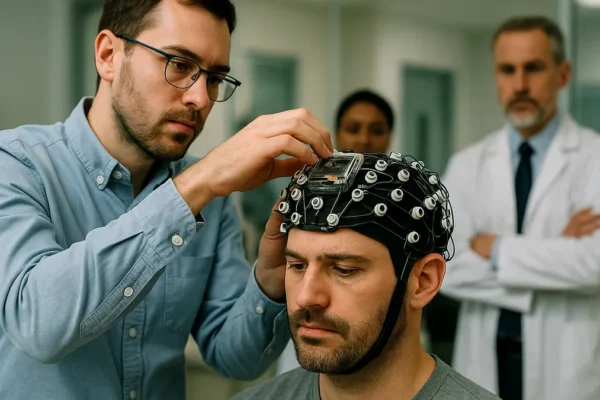
A new brain-computer interface result stands out for one specific reason: it did not just decode walking intent, it paired real-time exoskeleton control with bilateral sensory feedback on a portable embedded system. That makes it more relevant to rehabilitation engineering for paraplegic spinal cord injury patients than to the common narrative that exoskeleton BCIs are…