





Recent breakthroughs in robotics are transforming our understanding of machine capabilities, particularly through the advent of robotic hands equipped with artificial muscles and biohybrid systems. This evolution is significant as it signals a shift toward machines that can perform intricate tasks with a level of dexterity previously reserved for human hands.
What are Biohybrid Robotic Hands?
At the heart of these innovations lies the biohybrid robotic hand, an intriguing blend of lab-grown muscle tissues and mechanical frameworks. This combination aspires to emulate the natural movements of human hands, facilitating interactions that feel more organic. A common misconception is that biohybrid systems merely represent a fusion of organic and inorganic materials.
In truth, the real challenge is ensuring that biological components remain viable while effectively integrating into mechanical systems. This complexity demands persistent research to balance the needs of living tissues with the performance expectations of robotics. The integration of these elements is crucial for achieving the desired functionality.
How Do Artificial Muscles Work?
The mechanics behind artificial muscles often draw inspiration from the human body, employing hydraulic or pneumatic systems that mimic muscle contractions. For example, the MuMuTA (multiple muscle tissue actuator) system from the University of Tokyo utilizes rolled muscle fibers that contract upon electrical stimulation. This innovative mechanism enables the robotic hand to execute a range of gestures, from grasping to pinching, by modulating the contraction of these fibers.
Such mimicking of natural muscle behavior is crucial for creating robots that can seamlessly interact with their surroundings. The ability to replicate human-like movements enhances the potential applications of robotic hands in various fields.
Challenges in Integrating Biological Tissues
However, the integration of biological tissues in robotics is fraught with limitations. One pressing issue is necrosis, where deeper muscle cells die due to insufficient nutrient and oxygen supply, particularly in thicker muscle structures. Researchers are addressing this by developing thin, flat muscle fibers that can be rolled into tubes, ensuring that all cells receive essential nutrients.
While this approach shows promise in overcoming a significant barrier to scaling biohybrid systems, it still requires further refinement to guarantee long-term viability and performance. This ongoing research is essential for the future of biohybrid robotics.
Advancements in Synthetic Muscles
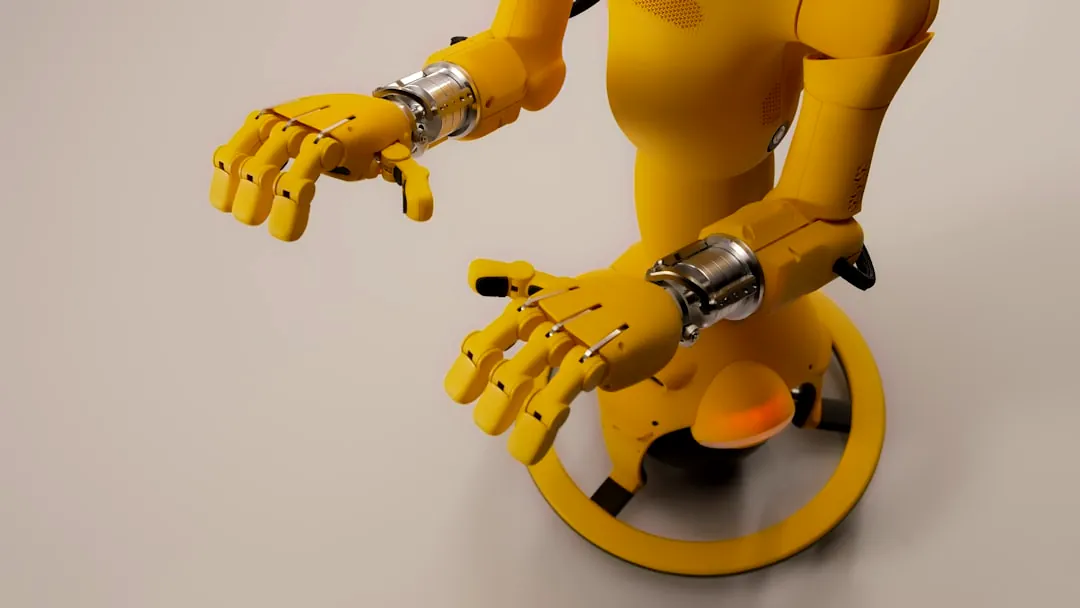
On another front, synthetic muscles, like those engineered by Clone Robotics, harness water-powered technology to achieve remarkable durability. These synthetic muscles endure extensive testing cycles without significant wear, a critical factor for creating long-lasting robotic systems that can thrive in real-world settings. Moreover, incorporating neural networks to control these synthetic muscles adds a layer of sophistication.
This adaptability enables the robotic hand to learn from human movements and adapt its actions. Such advancements not only enhance user experience but also position robotic systems as more intuitive and responsive partners in various tasks.
Implications for Prosthetics and Robotics
The ramifications of these technologies extend far beyond mere functionality; they provoke essential questions about the future of prosthetics and robotic applications. The ability to craft robotic hands that mimic human dexterity opens doors to advanced prosthetics, potentially revolutionizing the quality of life for individuals with limb loss.
Enhanced prosthetics could empower users to carry out everyday tasks with newfound ease and precision, narrowing the gap between natural and artificial limbs. Furthermore, robots capable of executing delicate tasks in unpredictable environments, such as hospitals or homes, could redefine care delivery and assistance.
What are the main challenges in the practical application of robotic hands?
Despite these promising advancements, the journey from laboratory prototypes to practical applications is laden with obstacles. Many robotic systems remain in experimental stages, and their performance outside controlled environments can be unpredictable. Challenges such as material durability, energy efficiency, and autonomous operation in diverse conditions must be addressed before these technologies can achieve widespread adoption.
How can ongoing research impact the future of robotics?
As robotics continues to evolve, delving into the principles of movement and interaction in biological organisms becomes increasingly essential. This exploration not only seeks to create machines capable of performing tasks but also sheds light on the fundamental mechanisms of biological systems. Ongoing research may pave the way for breakthroughs that enhance our understanding of both robotics and human physiology.
Conclusion
To ensure these technologies are viable in real-world applications, rigorous verification is paramount. The performance of biohybrid systems in various environmental conditions and the long-term viability of biological components must undergo thorough testing. This need for validation emphasizes the importance of ongoing research, as well as collaboration among researchers, engineers, and healthcare professionals.
In summary, the integration of artificial muscles and biohybrid systems in robotic hands marks a significant advancement in robotics. While the potential benefits are immense, addressing the challenges tied to biological components and ensuring reliable performance in diverse environments will be crucial for the successful implementation of these technologies.