









A software developer at a desk with multiple monitors showing code and AI tools in a modern office environment.

As Codex Moves From Code Suggestions to Code Execution, OpenAI’s Security Model Gets Much More Granular

OpenAI’s Codex security model is not a simple switch between “sandboxed” and “unsandboxed.” It is a layered system built around restricted execution modes, approval gates, and telemetry, aimed at the harder enterprise problem: not generating code, but running AI-generated actions safely inside real development environments. Three sandbox modes, not one security state Codex exposes different…


Read More
A busy call center with diverse agents wearing headsets working at computers with CRM software visible on screens.

Parloa vs. Generic Voice Bots: Where Enterprise Customer Service AI Actually Gets Hard

Parloa is not best understood as a chatbot vendor or a smarter call router. Its actual proposition is an enterprise AI agent management platform for voice-heavy customer service, built for organizations that need live conversational handling, system integration, and compliance controls to work together from day one. Voice automation that goes beyond scripted call flows…

Read More
A group of business professionals collaborating around a conference table with laptops and digital charts during a meeting on AI integration.

After the Pilot Phase, OpenAI Frontier Turns Enterprise AI Into a Deployment and Change-Management Project

OpenAI Frontier changes the enterprise AI discussion in a specific way: the hard part is no longer only model capability, but getting agents into regulated workflows, legacy systems, and operating teams without breaking governance. The platform combines agent architecture, consulting partners, and embedded OpenAI engineers because large deployments usually fail at integration and organizational change…

Read More
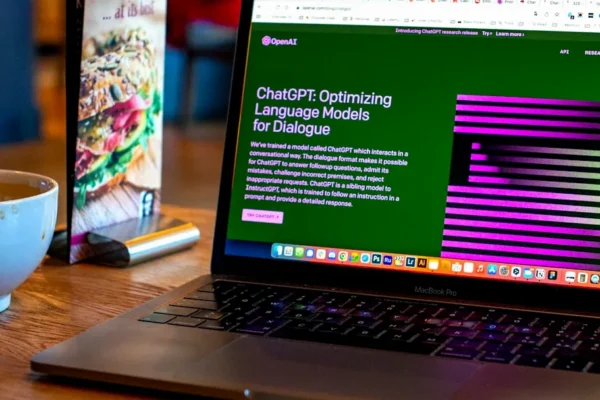
a laptop computer sitting on top of a wooden table

Risk-Aware AI Agents Need More Than Confidence Scores

What changed in agent design is not just better confidence scoring. Uncertainty estimation is being wired into permissions, action gating, and user-facing deferral behavior so agents can do less when the situation is unclear, not merely report lower confidence after the fact. That shift matters in deployment because safety now depends on how uncertainty is…

Read More
a group of men sitting next to each other

ByteDance’s DeerFlow 2.0 Is an Agent Runtime, Not Just Another Prompting Framework

ByteDance’s DeerFlow 2.0 matters because it moves the discussion from agent reasoning to agent runtime. The release is not mainly about better prompts or nicer workflow chaining. It packages the parts autonomous agents usually lack in production: isolated execution, persistent state, and controlled multi-agent coordination for tasks that run longer than a single chat turn….

Read More