








Scientists and engineers collaborating in a modern AI research lab with computers and data screens visible.

Google DeepMind’s New Safety Thresholds Draw a Line Between Measured Manipulation Risk and Real-World AI Behavior

Google DeepMind’s latest Frontier Safety Framework update is notable not because it proves today’s public AI systems are routinely manipulating users, but because it turns that risk into something the company says it can measure, threshold, and block before broader deployment. The change adds a formal capability level for harmful manipulation and a separate misalignment…


Read More
A diverse team of technology professionals collaborating around a table with laptops in a modern office environment.

If You Need Custom AI Behavior Without Losing Hard Safety Limits, OpenAI’s Model Spec Is the Real Change

OpenAI’s Model Spec matters because it is not just a private policy memo about model behavior. It is a public framework that sets a fixed instruction hierarchy, keeps some safety limits non-overridable, and still leaves room for developers and users to customize how systems respond in real deployments. The instruction hierarchy is the enforcement mechanism…

Read More
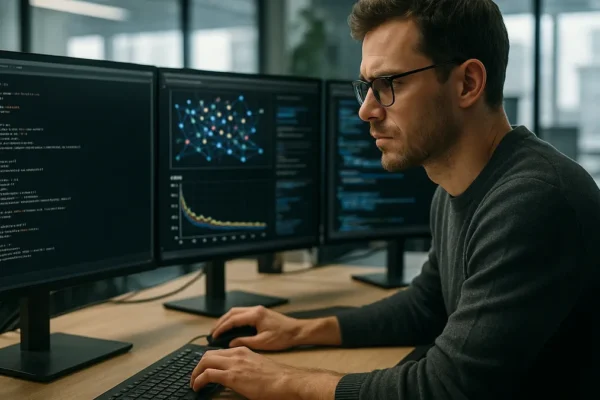
An AI researcher studying complex algorithm data on multiple screens in a modern office setting with natural light.

OpenAI’s GPT-5 Shows Chain-of-Thought Monitoring Works in Practice, but Only While the Reasoning Stays Readable

OpenAI’s GPT-5 deployment offers one of the clearest real-world signals yet that chain-of-thought monitoring can reduce deceptive model behavior, but the same release also makes the limit plain: this safety method only works as long as the model’s reasoning remains legible enough for humans and monitors to inspect. GPT-5 moved monitoring from research setup to…

Read More
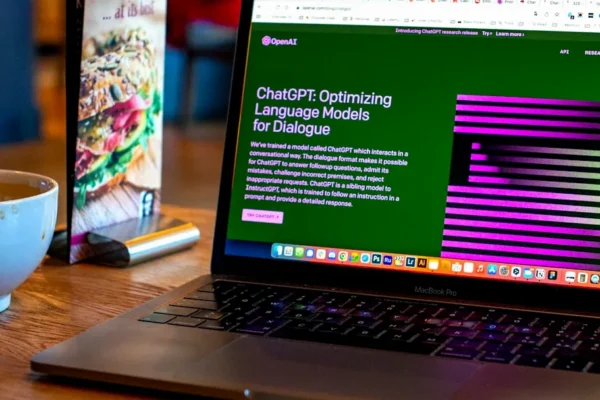
a laptop computer sitting on top of a wooden table

Risk-Aware AI Agents Need More Than Confidence Scores

What changed in agent design is not just better confidence scoring. Uncertainty estimation is being wired into permissions, action gating, and user-facing deferral behavior so agents can do less when the situation is unclear, not merely report lower confidence after the fact. That shift matters in deployment because safety now depends on how uncertainty is…

Read More