







a group of women posing for a photo

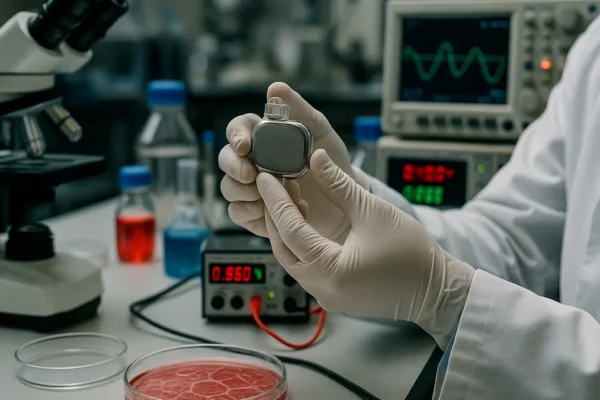
Hybrid Neuro-Symbolic Fraud Detection Is Already in Production-Like Use, but the Hard Part Is Stability

Hybrid neuro-symbolic fraud detection is not a speculative idea. In finance and insurance, teams are already combining neural models with explicit rules to improve rare-case detection, keep decisions explainable, and satisfy audit demands. The practical distinction is that these systems do not just add rules after the fact; they can inject domain knowledge into training…

Read More
A group of professionals working together in an office with computers showing AI safety tools and data analytics

OpenAI’s Child Safety Blueprint Puts AI Governance Pressure on Laws, Reporting Systems, and Model Design

OpenAI’s new Child Safety Blueprint matters because it is not just a tighter moderation policy. It is a governance proposal built around three separate pressure points that have to move together: laws that explicitly cover AI-generated child sexual abuse material, reporting channels that get useful signals to investigators faster, and model safeguards designed to block…

Read More
Finance team collaborating around a conference table with laptops and documents in a modern office setting.

Why OpenAI’s Finance Team Matters to CFOs: PwC Is Turning AI Agents Into a Governed Operating Model

OpenAI and PwC are not treating finance AI as a lab exercise or a simple automation project. They are using OpenAI’s own finance organization as “customer zero” to test whether AI agents can handle procurement, contract review, forecasting, reporting, and investor relations work inside real controls, real systems, and real accountability structures that a CFO…

Read More
A group of professionals collaborating in a modern office with computers and AI-related displays visible on screens.

GPT-5.5 Instant Is Not a Cosmetic ChatGPT Refresh but a Default Model Swap With Fewer Hallucinations and New Memory Controls

OpenAI has replaced ChatGPT’s default model with GPT-5.5 Instant, and the important change is not cleaner tone or fewer emojis. Starting May 5, 2026, the default experience for ChatGPT users shifted to a faster model that OpenAI says materially reduces hallucinations in medicine, law, and finance while adding a new way to see and manage…

Read More
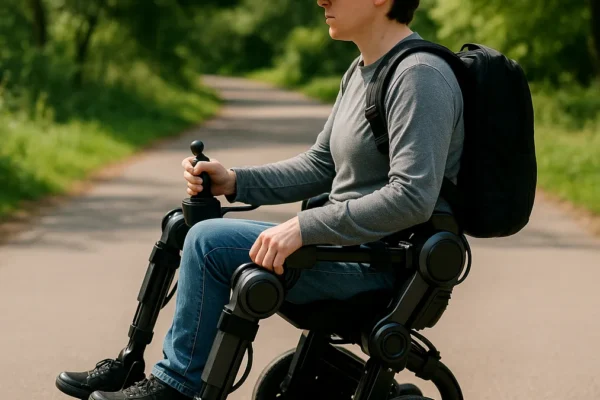
A person outdoors using a self-balancing exoskeleton with joystick control on a paved path surrounded by greenery in daylight.

Why Adaptive Control, Not Hardware Alone, Is Moving Exoskeletons Toward Real Deployment

Recent exoskeleton progress is easiest to misread as better hardware. The stronger signal is elsewhere: self-balancing control, clinically validated torque adaptation, AI-built controllers, and biomechanical load modeling are turning highly specialized machines into systems that can match a user, a task, and an operating environment more closely than earlier designs could. Wandercraft shows what “practical”…

Read More
a laptop computer sitting on top of a wooden desk

Why the Goose Framework Challenges Claude Code’s $200 AI Tool Model

Advancements in AI Tool Calling Models Recent advancements in AI tool-calling models, particularly within the Goose framework, are fundamentally altering how AI agents perform real-world tasks. This transformation is critical as the demand for adaptable AI solutions surges, underscoring the essential role of tool calling in moving from mere text generation to executing complex actions….

Read More