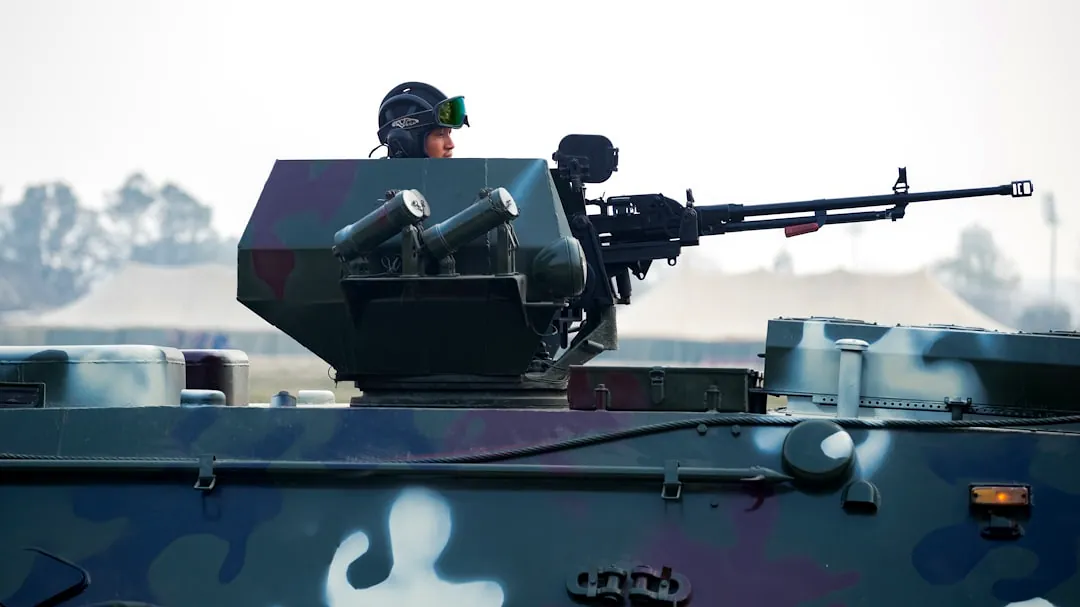
The recent military strikes ordered by President Donald Trump against Venezuela have ignited a heated debate within the Republican Party and beyond. This situation raises questions about U.S. foreign policy and its alignment with domestic priorities.

Marjorie Taylor Greene’s Criticism Highlights Party Divisions Over Military Action.
Representative Marjorie Taylor Greene has openly criticized Trump’s military strikes, arguing that they betray the “America First” doctrine he championed. Her dissent underscores a significant divide within the Republican Party regarding foreign intervention and military engagement, particularly in Latin America.
This rift reflects broader concerns about the implications of military action abroad, especially when domestic issues are at stake. Greene’s stance suggests that many within the party are re-evaluating the justification for such military engagements. As a result, this internal debate may influence future Republican candidates to adopt more isolationist policies, potentially reshaping the party’s platform on foreign intervention.
The Justification of Strikes Tied to Narco-Terrorism Raises Questions.
Trump has linked the strikes to narco-terrorism and the flow of drugs into the United States, but Greene challenges this rationale. She argues that the focus should instead be on pressing domestic issues that directly impact American citizens. This debate over the justification for military action could influence public opinion and voter sentiment, potentially affecting the outcomes of upcoming elections as constituents weigh national security against domestic priorities.
This perspective invites a deeper examination of U.S. foreign policy, particularly regarding how military actions are justified. The key point is that the justification for these strikes may not align with the needs of the American populace. This disconnect could lead to increased public skepticism about military interventions, potentially fueling a broader debate on the legitimacy and effectiveness of U.S. involvement in foreign conflicts.
Concerns About Control Over Venezuela’s Oil Reserves Are Growing.
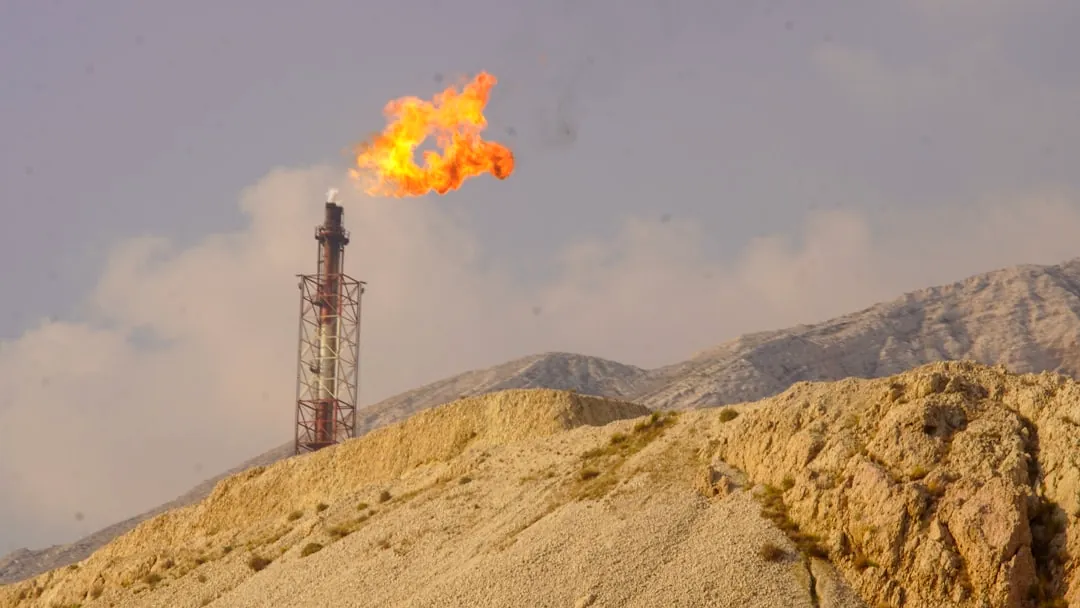
The military strikes have been interpreted by some as an effort to gain control over Venezuela’s vast oil reserves, which have been largely inaccessible to American companies since the 1970s. This raises critical questions about the motivations behind U.S. foreign policy.
Many are left wondering whether these actions serve the interests of the American people or primarily benefit corporate interests in the energy sector. Greene’s comments suggest a fear that this could lead to further military engagements in other regions.
Inconsistencies in U.S. Drug Trafficking Policy Are Being Highlighted.
Greene’s criticism also addresses contradictions in the administration’s approach to drug trafficking. For instance, Trump’s decision to pardon former Honduran President Juan Orlando Hernandez, who was convicted of drug trafficking, raises questions about the consistency of U.S. policy.
This inconsistency suggests that military interventions may not be the most effective strategy for combating drug trafficking. It indicates a need for a reevaluation of how the U.S. engages with foreign nations in this context.
The Evolving Discourse Around Military Engagement in Venezuela Will Shape Future Policies.
The implications of these military strikes extend beyond immediate concerns, revealing the complexities of U.S. foreign policy. As the situation in Venezuela evolves, the discourse surrounding these actions will likely influence both party dynamics and public perception of U.S. involvement in foreign conflicts.
Looking ahead, the growing rift within the Republican Party could lead to significant shifts in how military engagements are approached, particularly regarding the balance between foreign intervention and domestic priorities.
Key Takeaways
The military strikes against Venezuela have divided the Republican Party, highlighting tensions between foreign intervention and domestic priorities.
Practical Implications
The ongoing debate may influence future Republican policies on military action and foreign relations, particularly regarding Latin America.
What to Watch Next
Monitor how party dynamics evolve as public opinion shifts regarding military engagements and foreign policy strategies.
답글 남기기