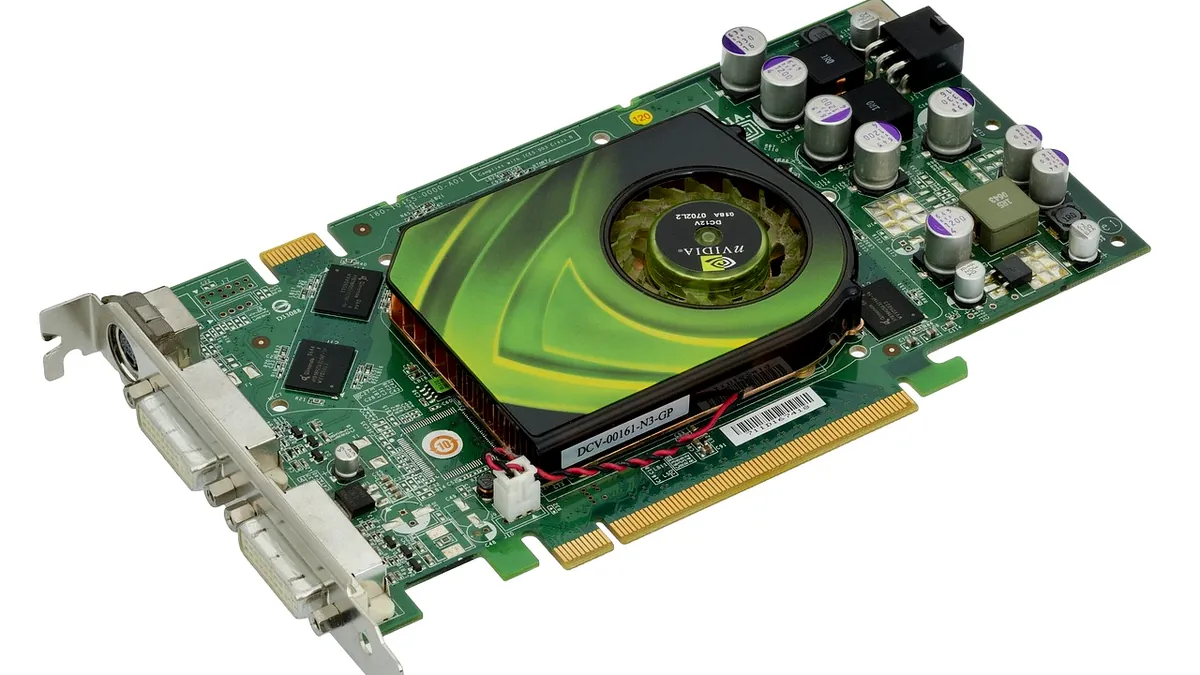
NVIDIA has introduced Project DIGITS at CES 2025, marking a significant advancement in personal AI computing technology. This new system is tailored for researchers, data scientists, and students, providing them with powerful AI capabilities directly from their desktops.
Overview of Project DIGITS
Project DIGITS is built on the NVIDIA Grace Blackwell platform, which enhances accessibility to advanced AI computing resources. The system’s introduction underscores NVIDIA’s dedication to making AI technology more available to a wider audience.
At the heart of Project DIGITS is the NVIDIA GB10 Grace Blackwell Superchip, delivering an impressive petaflop of AI computing performance. This capability allows users to prototype and run large AI models efficiently, which can significantly impact the development and testing of AI applications.
The pricing of Project DIGITS at $3,000 positions it as a substantial investment for individual developers and researchers. This pricing reflects NVIDIA’s strategy to cater to a growing market of AI developers who need robust computing power in a compact form factor.
Technical Specifications
The device features 128GB of unified memory and up to 4TB of NVMe storage, enabling it to manage AI models with up to 200 billion parameters. This specification indicates a shift in how AI models can be developed and tested locally.
By allowing users to create and test applications on their own systems, Project DIGITS may reduce reliance on cloud services or data centers. This local computing capability could lead to faster iterations and more efficient development processes for AI applications.
Additionally, the potential to connect two Project DIGITS units to run models with up to 405 billion parameters suggests a scalable approach to AI development. This scalability could attract more developers to explore complex AI solutions without needing extensive cloud resources.

Industry Impact and Future Trends
NVIDIA’s collaboration with MediaTek in developing the GB10 chip highlights the importance of partnerships in advancing technology. This collaboration may lead to further innovations in AI computing and broaden the scope of applications for Project DIGITS.
The design of Project DIGITS as a bridge between desktop development and cloud deployment could influence future trends in AI computing. As more developers gain access to powerful local computing resources, the landscape of AI research and development may evolve significantly.
The announcement of Project DIGITS at CES 2025 reinforces NVIDIA’s leadership in AI and supercomputing. This innovation not only showcases the company’s technological advancements but also addresses the growing demand for accessible AI solutions across various industries.
Practical Implications
The introduction of Project DIGITS signifies a pivotal moment for individual developers and researchers. With its ability to run large AI models locally, it empowers users to innovate without the constraints of cloud computing costs and latency. This shift could democratize AI development, enabling a broader range of experiments and applications.
Context and Significance
NVIDIA’s Project DIGITS emerges in a landscape where AI technology is rapidly evolving. By providing a powerful desktop solution, NVIDIA not only reinforces its position in the market but also responds to the increasing demand for accessible AI tools. This initiative could catalyze advancements in various fields, from healthcare to finance, where AI applications are becoming integral.
What to Watch Next
As Project DIGITS gains traction, it will be essential to monitor its adoption rates among developers and researchers. Additionally, observing how NVIDIA’s partnerships, particularly with MediaTek, evolve will provide insights into future innovations in AI computing. The response from competitors and the broader industry will also be critical in shaping the future of personal AI systems.
Key Takeaways
Project DIGITS represents a significant leap in personal AI computing, offering unprecedented power and flexibility for local development. Its introduction not only highlights NVIDIA’s commitment to advancing AI technology but also sets the stage for a new era of innovation in the field. The implications for research, development, and industry applications are profound and warrant close attention moving forward.
답글 남기기